
Research peptides are short chains of amino acids sold primarily by vendors like a peptide supplier for research use marketed for laboratory investigation rather than human consumption. Despite that labeling, many buyers are biohackers, athletes, or individuals seeking alternatives to prescription therapies, drawn by claims of muscle growth, fat loss, anti-aging effects, and cognitive enhancement. In Canada and most jurisdictions, these compounds occupy a legal gray zone: they’re not approved drugs, yet selling them “for research only” sidesteps therapeutic goods regulation, leaving quality, purity, and safety largely unverified.
The appeal is understandable. Peptides like BPC-157, TB-500, and ipamorelin have shown promising effects in animal and early-stage human studies, from accelerating tissue repair to stimulating growth hormone release. But the gap between controlled lab conditions and self-administered use is enormous. Most research-grade peptides lack pharmacokinetic data in humans, carry unknown long-term risks, and arrive with no dosing guidance, sterility assurance, or contaminant testing. Adverse events range from injection-site reactions and hormonal disruption to immune responses and organ stress.
This guide offers a harm-reduction roadmap. We’ll clarify what research peptides are, review the evidence (and gaps) for commonly sold compounds, explain the legal landscape in Canada and beyond, outline the real risks of unsupervised use, and present safer, legal alternatives, including physician-supervised peptide therapy and evidence-based lifestyle interventions. Whether you’re a researcher sourcing reagents, someone considering self-experimentation, or simply curious about the hype, you’ll leave with the knowledge to make informed, safer decisions grounded in science rather than marketing.
What Are Research Peptides, and Why Are They Sold?
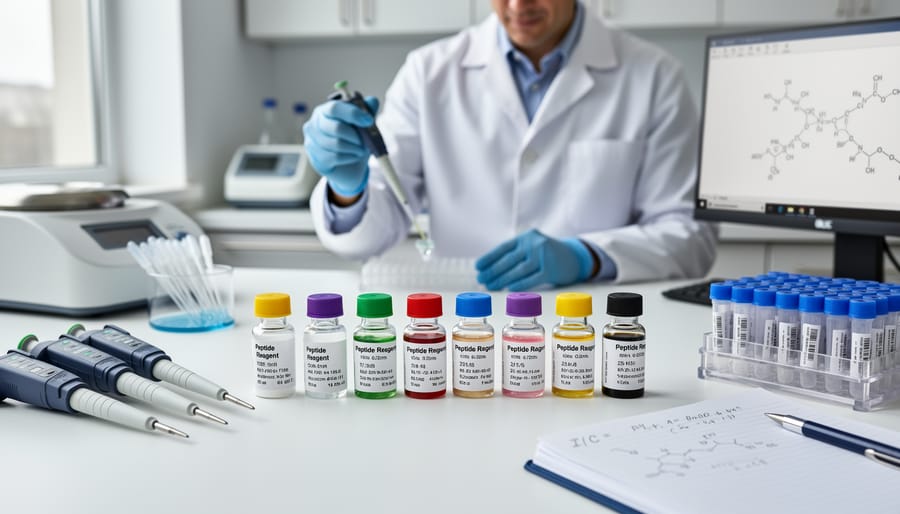
Peptides are short chains of amino acids, the building blocks of proteins, typically containing between two and fifty amino acid units linked by peptide bonds. While full proteins may comprise hundreds or thousands of amino acids folded into complex three-dimensional structures, peptides remain relatively small and often serve as signaling molecules, hormones, or enzyme substrates in living organisms. Insulin, oxytocin, and glutathione are all naturally occurring peptides that play critical roles in human physiology.
In laboratory settings, researchers synthesize peptides to study cellular processes, test receptor interactions, develop new pharmaceuticals, and explore biological mechanisms. A cancer researcher might use a specific peptide sequence to investigate how tumor cells respond to growth signals. A neuroscientist might apply a peptide fragment to cultured neurons to map synaptic pathways. These applications require compounds of known composition and high purity, which is why chemical suppliers manufacture and sell research-grade peptides to academic institutions, biotech firms, and pharmaceutical companies.
- Peptide
- A short chain of amino acids (typically 2-50 units) linked by peptide bonds; smaller and simpler than full proteins, often functioning as hormones or signaling molecules in the body.
- Synthesis
- The laboratory process of chemically assembling amino acids in a specific sequence to create a peptide; most research peptides are made via solid-phase peptide synthesis (SPPS) rather than extracted from biological sources.
- Research-grade purity
- A measure of how much of a compound sample consists of the intended peptide versus impurities, deletions, or truncated sequences; research peptides typically range from 70-99% purity, with higher purity needed for sensitive assays.
- GMP (Good Manufacturing Practice)
- A regulatory framework ensuring pharmaceutical products are consistently produced and controlled to quality standards; true GMP facilities undergo inspections and batch testing, which most research-peptide vendors do not maintain.
The regulatory gray zone emerges because research peptides are sold with the explicit label “not for human consumption” or “for research use only.” This disclaimer allows vendors to bypass the stringent safety testing, manufacturing oversight, and approval processes required for drugs intended for human therapeutic use. A compound sold as a research chemical does not undergo the clinical trials, stability studies, or GMP manufacturing that a Health Canada, or FDA-approved medication would. The vendor is legally supplying a laboratory reagent, not a medicine.
However, this distinction becomes blurred when individuals purchase these same compounds for self-experimentation, bodybuilding, anti-aging, or off-label health purposes. The peptide’s chemical structure may be identical to a compound under investigation in clinical trials, but the purity, sterility, accurate dosing, and safety profile remain unverified. Laboratories equipped to handle research chemicals understand containment, sterile technique, and proper disposal. A person reconstituting a vial at home typically does not, which is where significant health and legal risks begin.
The Legal and Regulatory Landscape in 2026
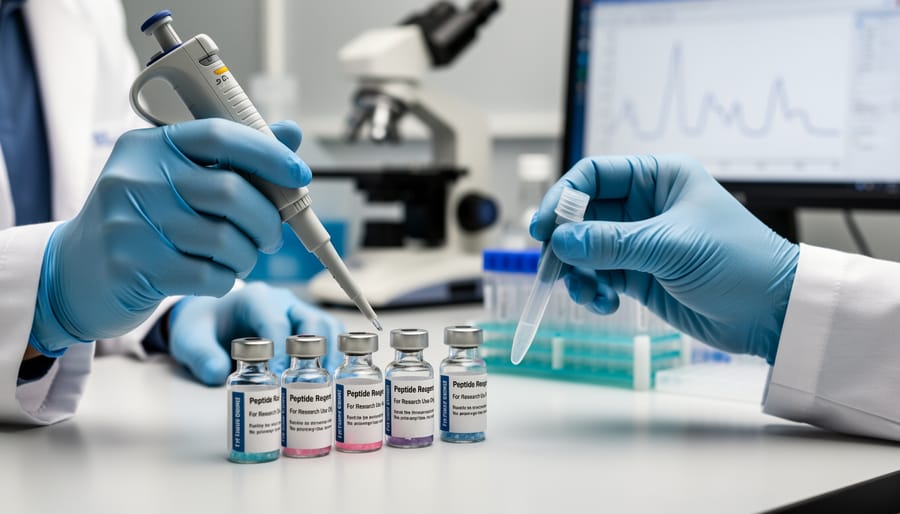
Purchasing research peptides in 2026 occupies a regulatory gray zone that varies sharply by country and poses both legal risks and practical hazards for buyers.
In Canada, Health Canada does not approve most research peptides for human therapeutic use. Products labeled “for research purposes only” fall outside the scope of the Food and Drugs Act’s consumer protections, meaning they are not evaluated for safety, efficacy, or quality. Importing or selling peptides with implied health claims can violate advertising and therapeutic product regulations, but enforcement has historically focused on large-scale distributors rather than individual purchasers. That said, personal possession of unapproved drugs can trigger customs seizures, and self-administration carries potential criminal liability if the compound is later rescheduled or if adverse events prompt investigation. As of mid-2026, Health Canada has issued compliance warnings to several online vendors but has not published a definitive list of banned peptides, leaving buyers in legal limbo.
In the United States, the FDA classifies most peptides as unapproved drugs. Selling them for human consumption is illegal, which is why vendors add “not for human use” disclaimers. However, purchasing for personal use is not explicitly criminalized at the federal level unless the peptide appears on a controlled substance schedule, none of the commonly sold research peptides currently do. The legal danger arises if a buyer uses the product, suffers harm, and law enforcement or regulators treat possession as evidence of illegal drug distribution or misbranding. State laws vary: some jurisdictions have moved to restrict certain peptides under consumer protection or pharmacy statutes, and others are considering measures to close the research chemical loophole.
Internationally, Australia and New Zealand have stricter controls, scheduling many peptides as prescription-only medicines and actively intercepting imports. The European Union’s stance is fragmented, with some member states treating peptides as investigational medicinal products requiring permits and others allowing quasi-legal gray-market sales.
Enforcement trends in 2026 show a shift. Customs agencies in Canada, the U.S., and the EU have increased scrutiny of small-parcel peptide shipments, often flagging items labeled “research use” for inspection. Health Canada’s recent regulatory updates signal an intent to harmonize online enforcement with brick-and-mortar pharmacy rules, and FDA warning letters have escalated against vendors making indirect health claims on social media.
The practical takeaway: buying research peptides is not categorically illegal in most jurisdictions, but it carries unpredictable legal exposure, zero consumer protection, and the risk that regulations will tighten without notice. Anyone considering purchase should assume no legal safe harbor and prepare for possible customs seizure, regulatory inquiry, or future rescheduling.
Common Peptides Marketed Online, and What the Science Says
Evidence Snapshot
Most peptides marketed online rest on preclinical foundations, promising animal or cell-culture data that haven’t translated into approved human therapies. BPC-157, a synthetic fragment of a gastric protective protein, shows tissue-repair effects in rodent tendon and muscle injury models, but zero published human randomized controlled trials exist as of 2026. TB-500, derived from thymosin beta-4, accelerates wound healing in horses and mice, yet lacks FDA approval and human safety data at the doses vendors recommend.
Melanotan II, a melanocortin receptor agonist, does induce skin tanning and may suppress appetite in small human studies, but side effects include nausea, spontaneous erections, and unknown cardiovascular risks; Health Canada and the FDA have issued warnings against its use. Semaglutide analogs sold as “research chemicals” mimic the prescription diabetes and weight-loss drug, but unregulated versions carry contamination risks and none undergo pharmaceutical-grade quality control.
The pattern is consistent: animal studies suggest a mechanism, internet forums amplify anecdotal reports, and vendors market compounds “for research only” to sidestep therapeutic-goods regulations. Peer-reviewed human trials, the gold standard for efficacy and safety, are either nonexistent, extremely limited, or conducted at doses and purities different from gray-market products. This evidence gap leaves buyers relying on speculation, not science, when assessing real-world risks and benefits.
Quality, Purity, and Safety Concerns
When you purchase research peptides from online vendors, you’re entering a market with virtually no regulatory oversight. Unlike prescription medications or even dietary supplements, these compounds are not inspected by Health Canada, the FDA, or any pharmaceutical regulatory body. Vendors operate under the “research use only” label precisely to avoid quality standards that govern human therapeutics.
The consequences can be serious. Without pharmaceutical-grade manufacturing controls, peptides may contain bacterial endotoxins, heavy metal residues, or chemical impurities from synthesis. A 2023 independent analysis of gray-market peptides found that 34% of samples tested contained significant contamination, and 28% were mislabeled regarding peptide identity or concentration. Some vials contained 40-150% of the stated dose, making accurate administration impossible and increasing the risk of adverse effects or underdosing.
A certificate of analysis is the only window into what you’re actually buying. A legitimate CoA, issued by an accredited third-party laboratory, should list the peptide’s purity percentage (typically ≥95% for research-grade material), identify contaminants, and confirm the compound’s identity using high-performance liquid chromatography and mass spectrometry. HPLC separates the peptide from impurities and quantifies concentration; mass spec verifies the molecular weight matches the labeled compound.
Many vendors either provide no CoA, offer one that looks professionally formatted but lists no accredited lab, or supply a document that doesn’t match the batch you receive. That’s a critical red flag. Others include anonymous contact details, no physical address, or make health claims on product pages, language like “accelerates healing” or “burns fat”, that legitimate research-supply companies would never use because it implies human consumption and invites regulatory action.
If you’re considering self-administration, understand that improper reconstitution, non-sterile handling, or incorrect dose timing compounds these purity risks. Even a “clean” peptide becomes hazardous if you introduce bacteria during preparation or inject a dose five times stronger than intended. The lack of oversight extends all the way from the lab to your hands, and every step carries potential for harm that pharmaceutical channels are designed to prevent.

Harm-Reduction Checklist for Researchers and Consumers
If you’re considering purchasing research peptides, the following steps can help minimize legal, health, and safety risks, whether you’re a laboratory researcher or someone exploring these compounds for personal use.
- Confirm legal status in your jurisdiction. Before placing an order, verify that possession and importation of the specific peptide is lawful where you live. In Canada, many peptides occupy a regulatory gray zone; contact Health Canada’s Controlled Substances Programme or consult a lawyer if uncertain.
- Verify vendor credentials and transparency. Legitimate suppliers should provide detailed contact information, business registration, and clear statements about intended use. Avoid anonymous sellers, encrypted-only communication, or vendors making therapeutic claims.
- Request third-party certificate of analysis (CoA). Insist on recent HPLC or mass spectrometry testing results showing purity, identity, and absence of contaminants. No CoA is a red flag; accept only independent lab verification, not vendor self-testing.
- Consult a qualified healthcare provider before any use. Never self-administer research peptides. If you’re considering peptides for health reasons, work with a licensed physician, naturopath, or integrative medicine specialist who can prescribe compounded, pharmacy-grade alternatives and monitor your response safely.
- Never share, resell, or administer to others. Distributing research chemicals can trigger serious legal consequences. Do not give peptides to friends, family, or pets without veterinary health guidance.
If you’re buying for legitimate institutional research, ensure your purchase aligns with your organization’s ethics board approvals and procurement policies. Understand proper reconstitution using sterile bacteriostatic water, aseptic technique, and appropriate storage conditions. Keep emergency contact information accessible, and know the signs of adverse reactions: severe injection-site reactions, allergic responses, cardiovascular symptoms, or unexpected neurological effects warrant immediate medical attention. Document batch numbers and storage conditions for traceability. Above all, recognize that safer, legal alternatives exist, physician-supervised peptide therapy, registered clinical trials, and evidence-based interventions, that offer the benefits you seek without the risks of unregulated compounds.
Safer, Legal Alternatives to Gray-Market Peptides

If you want peptide therapy without the legal and safety risks of gray-market vendors, several legitimate options exist in 2026.
Physician-supervised peptide therapy is the most direct pathway. Licensed naturopathic doctors in regulated Canadian provinces (British Columbia, Ontario, Manitoba, Saskatchewan, Alberta, Nova Scotia) can prescribe compounded peptides such as BPC-157, thymosin beta-4 derivatives, or GLP-1 analogs through licensed compounding pharmacies. These preparations meet pharmaceutical standards for sterility and purity, and dosing is individualized based on medical assessment. Integrative physicians and some functional medicine practitioners offer similar services. Costs typically range from CAD $200-500 monthly plus consultation fees, and most extended health plans do not cover peptides prescribed off-label.
Registered clinical trials provide another route. Health Canada and U.S. trial registries list ongoing studies investigating peptides for wound healing, metabolic disorders, and age-related conditions. Participants receive study compounds at no cost under medical supervision, with regular safety monitoring. Check and the Canadian Institutes of Health Research database for current opportunities.
Evidence-based lifestyle interventions address many goals that drive people toward gray-market peptides. For recovery and tissue repair, protein intake of 1.6-2.2 g/kg daily, adequate sleep (7-9 hours), and progressive resistance training stimulate natural growth hormone and collagen synthesis. For metabolic health, time-restricted eating and high-intensity interval training improve insulin sensitivity comparably to some experimental peptides. For skin health, topical retinoids, vitamin C serums, and SPF 30+ sunscreen have far more clinical support than unregulated melanotan or copper peptides sold online. These safer alternatives lack the allure of a novel compound but carry negligible risk and proven efficacy.
The Canadian Association of Naturopathic Doctors and College of Family Physicians of Canada maintain directories of practitioners offering peptide therapy where legal.
The market for research peptides continues to grow, but the underlying realities haven’t changed: these compounds exist in a regulatory gray zone where quality is unverified, safety data is incomplete, and human use carries tangible legal and health risks. If you’re considering purchasing peptides sold “for research purposes only,” understand that you’re navigating an unregulated space with no consumer protections and no guarantee that what’s in the vial matches what’s on the label.
What we know is clear. Research peptides lack pharmaceutical-grade oversight. Vendors aren’t required to prove purity, sterility, or accurate dosing. Human clinical evidence for most marketed peptides remains limited or nonexistent, and adverse effects, ranging from injection-site reactions to systemic immune responses, are documented but underreported. In Canada and the U.S., purchasing these compounds for personal use occupies legal ambiguity at best and may violate drug or import regulations, especially if customs intercepts international shipments.
Safer alternatives exist. If your goal is recovery, metabolic optimization, or skin health, work with a licensed physician or naturopath who can prescribe compounded peptides through legal, monitored channels. Consider enrolling in registered clinical trials or explore evidence-based lifestyle interventions that address the same outcomes without the risks.
Harm reduction starts with informed decisions. Don’t self-administer without medical supervision. Verify third-party testing if you proceed. Know the signs of allergic reaction or infection and have an emergency plan. As regulations evolve, Health Canada and the FDA are increasing scrutiny, stay current on legal changes and emerging safety data.
For trusted guidance, consult Health Canada’s drug product database, the U.S. National Library of Medicine’s PubMed for peer-reviewed research, and integrative medicine directories to find qualified practitioners. Prioritize your safety and long-term health over convenience or marketing hype.