
The hands shaking before placing a high-stakes wager, the racing heartbeat during a blaze bet login session, the stomach-churning tension watching a live dealer flip cards—gambling anxiety is physiologically real, and cannabidiol (CBD) has emerged as a popular self-remedy among bettors seeking calm without impairment. But does this non-intoxicating cannabis compound genuinely ease the acute stress of wagering, or is it wellness marketing dressed as relief?
The short answer: CBD shows promise for situational anxiety in general, but research specific to gambling contexts remains thin. What we do know is that CBD interacts with serotonin receptors and the endocannabinoid system in ways that may dampen the fight-or-flight response—the same cascade that makes your palms sweat when real money hangs in the balance. Small clinical trials suggest doses between 300 and 600 milligrams can reduce performance anxiety and stress markers, though effects vary widely by individual, product quality, and timing.
This article cuts through the hype and uncertainty. We will examine the biological mechanisms behind gambling-related stress, review peer-reviewed evidence on CBD as an anxiolytic, offer harm-reduction guidance on dosing and product selection, and address the critical distinction between managing normal stress and masking problem gambling. Whether you are exploring options before a tournament, seeking steadier nerves at the live table, or simply curious about CBD’s real capabilities, you will find practical, science-grounded answers—and the caveats that matter.
What Happens in Your Body When You Place a Bet
The Dopamine-Cortisol Loop
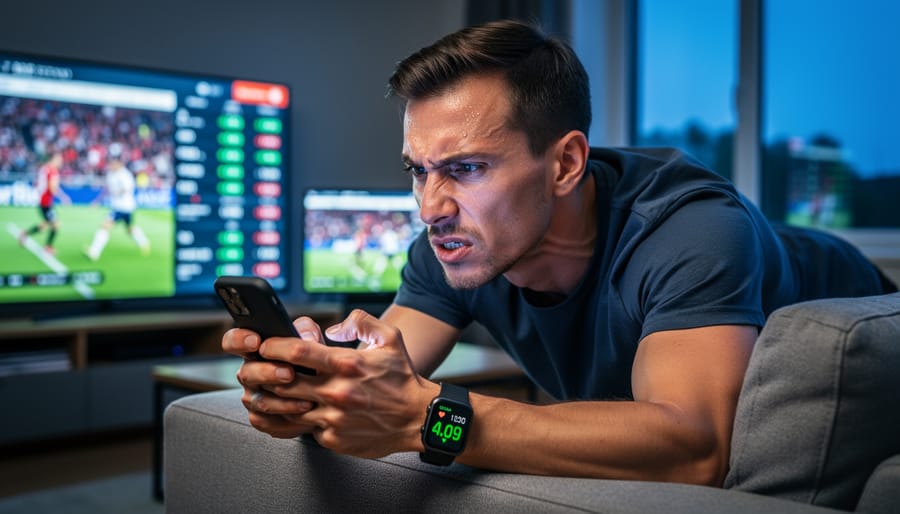
Every bet triggers a complex neurochemical cascade. When you place a wager or watch the roulette wheel spin, your brain releases dopamine—the anticipation neurotransmitter—creating a rush of focus and excitement. Win, and dopamine floods reward circuits. Lose, and cortisol, your primary stress hormone, spikes to signal threat and loss.
In live casino environments, this loop accelerates. Real-time dealers, ticking clocks, and instant outcomes compress the dopamine-cortisol cycle into minutes or seconds. Your sympathetic nervous system activates: heart rate climbs, palms sweat, breathing shallows. This fight-or-flight response is identical to facing physical danger, even though you’re seated at a screen.
The problem compounds with repeated play. Dopamine doesn’t just signal reward; it drives craving and repetition. Each near-miss or small win primes your brain to chase the next hit, while mounting losses elevate baseline cortisol, leaving you wired, irritable, and anxious even between sessions.
Sports betting adds another layer: the extended suspense of waiting hours or days for outcomes keeps cortisol elevated and dopamine pathways primed. Research shows that unpredictable reward schedules—exactly what gambling provides—are among the most potent drivers of compulsive behavior and chronic stress.
This neurochemical rollercoaster isn’t a character flaw. It’s hardwired biology meeting an environment engineered to exploit it. Understanding this loop is the first step toward managing it—and evaluating whether cannabidiol might help modulate the stress response without dampening judgment.
Why Live Betting Feels More Intense
Live betting and in-play casino games ramp up stress in ways that traditional wagers don’t. The clock is ticking, odds shift in real time, and you’re forced to decide in seconds whether to fold, double down, or cash out. That constant stream of micro-decisions floods your brain with norepinephrine and cortisol—the same hormones released during actual physical threats.
Time pressure is the most obvious culprit. Unlike placing a bet hours before kickoff, live betting collapses your decision window. Research in behavioral economics shows that rapid-fire choices under uncertainty activate the amygdala, your brain’s alarm center, while simultaneously dampening prefrontal activity responsible for rational evaluation. You’re essentially betting with your emotional brain in the driver’s seat.
Social dynamics add another layer. Live casino tables—whether in person or streamed—introduce peer observation, dealer interaction, and the subtle pressure to act quickly so others aren’t waiting. Even silent digital environments trigger social stress; leaderboards, chat functions, and visible win-loss streaks create implied competition.
The result is a physiological cocktail: elevated heart rate, shallow breathing, muscle tension, and decision fatigue. Your body reads the situation as high-stakes survival, even when the rational stakes are modest.
How CBD Interacts With Anxiety Pathways
The Endocannabinoid System and Stress Regulation
Your body’s endocannabinoid system (ECS) is a complex network of receptors, enzymes, and messenger molecules that helps maintain balance—or homeostasis—across nearly every physiological process, including mood, stress response, sleep, and inflammation. Understanding how cannabidiol (CBD) interacts with this system clarifies why it may help dampen the racing heart and intrusive thoughts that accompany high-stakes gambling.
The ECS includes two primary receptor types: CB1 receptors, concentrated in the brain and central nervous system, and CB2 receptors, found mainly in immune cells and peripheral tissues. Unlike tetrahydrocannabinol (THC), which binds directly to CB1 receptors and produces intoxication, CBD works indirectly. It modulates receptor activity without triggering the psychoactive effects that could impair decision-making during a live casino session or sports bet.
One key mechanism involves anandamide, often called the “bliss molecule”—an endogenous cannabinoid your body produces naturally. Anandamide binds to CB1 receptors to promote feelings of calm and well-being, but it breaks down quickly. CBD inhibits the enzyme FAAH (fatty acid amide hydrolase), which degrades anandamide, effectively allowing more of this mood-stabilizing compound to remain active in your system for longer periods.
CBD also interacts with serotonin receptors, particularly 5-HT1A, which play a central role in anxiety regulation. This dual action—boosting endogenous cannabinoids while influencing serotonin pathways—may explain why some users report feeling more centered without sedation.
For more foundational context, see our guide to CBD oil basics.
What the Studies Actually Say
No large-scale trials have tested cannabidiol (CBD) specifically for gambling-related anxiety. However, multiple peer-reviewed studies support its potential for social anxiety, performance anxiety, and acute stress—conditions that share overlapping features with the situational stress of sports betting or live-dealer casino play.
A 2019 retrospective chart review of 72 adults published in The Permanente Journal found that 300 mg to 600 mg of oral CBD daily improved anxiety scores in 79 percent of patients within the first month, though improvements varied over time. A landmark 2011 double-blind trial in Neuropsychopharmacology gave adults with social anxiety disorder a single 600 mg dose of CBD before a simulated public-speaking test and observed significantly reduced anxiety, cognitive impairment, and discomfort compared to placebo, with measurable effects on heart rate and blood pressure.
Smaller experimental studies have explored CBD and stress regulation using doses from 25 mg to 800 mg, often showing dose-dependent anxiolytic effects. Effect sizes are typically modest to moderate, and timing matters: most trials administered CBD 60 to 90 minutes before a stressor.
Key limitations include small sample sizes, short follow-up periods, lack of standardized formulations, and nearly zero research on financial decision-making or gambling contexts. Most evidence comes from controlled lab settings, not real-world high-stakes environments. Until gambling-specific trials emerge, extrapolation from social and performance anxiety research remains the best—but incomplete—guide.
Evidence Snapshot: CBD and Gambling-Related Anxiety
This feature box summarizes the current evidence on cannabidiol (CBD) for anxiety related to sports betting and live casino play. While promising early research exists, critical gaps remain in our understanding of CBD’s role in gambling-specific contexts.
What We Know
General anxiety research: Several human trials show CBD may reduce anxiety in social phobia, public speaking, and generalized anxiety disorder at doses ranging from 300 to 600 mg. Proposed mechanisms include interaction with serotonin receptors, modulation of the endocannabinoid system, and possible effects on the amygdala and prefrontal cortex—brain regions involved in threat processing and emotional regulation.
Animal models: Preclinical studies suggest CBD has anxiolytic properties, though translating these findings to humans requires caution.
What We Don’t Know
Gambling-specific efficacy: No published clinical trials have tested CBD specifically for sports betting or casino-related anxiety. We lack data on whether CBD reduces pre-game jitters, live-event stress, or post-loss rumination.
Optimal dosing and timing: The dose-response curve for situational anxiety is unclear. Is a single 25 mg dose sufficient before a bet, or do higher, repeated doses work better? Does timing—30 minutes versus two hours before play—matter?
Individual variation: Factors like metabolism, tolerance, co-use of alcohol or other substances, and underlying anxiety disorders likely influence outcomes, but research is limited.
Quality of Evidence
Moderate for general anxiety; low to nonexistent for gambling contexts. Most CBD anxiety trials are small, short-term, and lack standardized protocols. No harm-reduction studies exist for bettors or casino players.
Research Gaps
Studies are urgently needed that enroll people with gambling-related anxiety, test real-world doses and products, monitor behavioral outcomes including risk-taking and impulse control, and track long-term safety in this population.
Does CBD Work for Betting Anxiety? The Honest Answer
The short answer: CBD may help some people manage the physical symptoms of betting anxiety—but it’s not a magic bullet, and the evidence is mixed.
CBD’s anxiolytic effects are real in certain contexts. Human trials show cannabidiol can reduce physiological anxiety markers—heart rate, cortisol, subjective stress—in controlled settings like public speaking or social anxiety tasks. But gambling anxiety is different. It’s episodic, high-stakes, and often tied to reward-seeking behaviors that activate brain circuits CBD doesn’t directly target.
No study to date has tested CBD specifically for gambling or betting anxiety. We’re extrapolating from general anxiety research, which leaves meaningful gaps. Will the calming effect that works for social phobia translate to the adrenaline rush of a live roulette spin or a last-minute goal? Maybe—but your mileage will vary.
Individual variability is enormous. Genetics, metabolism, baseline anxiety levels, and even your expectations all influence outcomes. A 25-milligram dose might ease one person’s jitters and do nothing for another. Placebo effects are also significant in anxiety trials; belief that something will help often produces measurable relief, regardless of the compound.
Timing matters. CBD takes 30 to 90 minutes to reach peak blood levels when taken orally, so popping a gummy mid-bet won’t provide instant relief. Sublingual oils act faster—15 to 45 minutes—but still require planning. If you’re chasing real-time calm during a fast-paced live casino session, CBD’s pharmacokinetics work against you.
Realistic expectations are critical. CBD is not a substitute for professional mental health care, and it won’t address the root causes of problem gambling. If betting anxiety is chronic or interfering with daily life, therapy—especially cognitive-behavioral approaches—remains the gold standard. CBD might smooth the edges, but it won’t rewire the thought patterns or impulse control deficits that fuel gambling disorders.
Marketing claims often oversell the science. If a brand promises “instant calm” or “guaranteed results,” walk away. Evidence supports cautious optimism, not certainty.
Practical Considerations: Dosing, Timing, and Product Types
Choosing a Product and Dose
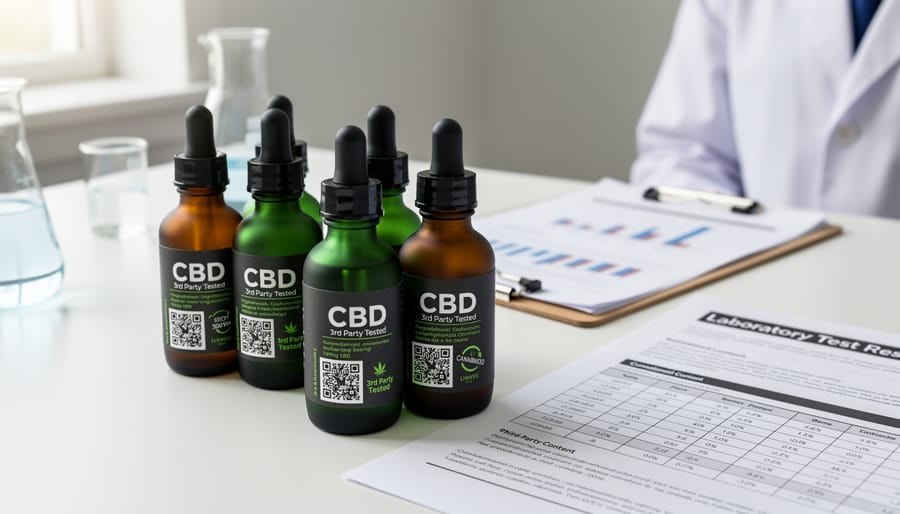
Quality matters when gambling anxiety is on the line. Third-party lab testing verifies cannabinoid content and screens for pesticides, heavy metals, and residual solvents—all essential for safety and consistency. Look for a Certificate of Analysis (COA) accessible by QR code or batch number on the product label.
Broad-spectrum cannabidiol (CBD) and CBD isolate are your best options for pre-game anxiety. Broad-spectrum contains other non-intoxicating cannabinoids and terpenes that may enhance calming effects through the entourage effect, while isolate delivers pure CBD without any trace compounds. Both are THC-free or contain negligible amounts (less than 0.3 percent), which is critical for maintaining decision-making sharpness during live betting or poker hands. For more guidance, see our overview of CBD product selection.
Start low—5 to 10 milligrams—and assess your response over several sessions before increasing. CBD’s effects are dose-dependent and highly individual; some people feel calmer at 15 mg, others require 25 to 40 mg. Timing also matters: sublingual oils act within 15 to 45 minutes, while edibles take 60 to 90 minutes but last longer.
Avoid full-spectrum products or any formulation with delta-9-tetrahydrocannabinol (THC) if cognitive clarity is non-negotiable. Even low-dose THC can impair reaction time and judgment—especially under pressure. Research on CBD and cognitive function confirms that pure CBD does not impair performance, but THC does.
Keep a simple log: dose, product type, timing, and subjective anxiety level. This helps you dial in what works without guesswork.
Timing and Expectations
CBD is not instant. For anxiety management, oral cannabidiol typically requires 30 to 90 minutes to reach peak blood concentration, so take it before you plan to bet—not mid-session when stress is already high. Sublingual tinctures may act slightly faster than capsules or edibles due to mucosal absorption, but effects still unfold gradually.
Expect subtle shifts, not dramatic sedation. Most users report a gentle reduction in physical tension and racing thoughts rather than euphoria or total calm. CBD modulates rather than silences the stress response, which means it won’t eliminate the inherent uncertainty or emotional stakes of gambling. It is not a “calm pill” that overrides poor bankroll management, tilt, or problem gambling behavior.
Realistic timelines matter. Acute dosing may help during a single session, but some evidence suggests consistent daily use over one to two weeks may yield more stable anxiolytic effects as endocannabinoid tone normalizes. If you notice no benefit after two weeks at a consistent, moderate dose (15 to 30 milligrams once or twice daily), CBD may not be effective for your particular anxiety profile—and that’s okay. No single tool works universally.
Harm-Reduction Checklist: Using CBD Around Gambling
Before combining cannabidiol (CBD) and gambling activities, review this harm-reduction checklist to protect your health, legal standing, and financial wellbeing.
Check age and legal restrictions
Confirm you are 18 or older (19+ in some Canadian provinces and U.S. states) for both CBD purchase and legal gambling access. Verify that CBD derived from hemp (containing less than 0.3 percent tetrahydrocannabinol [THC] in the U.S., 0.3 percent in Canada) is legal in your jurisdiction. Some regions still classify all cannabis-derived products as controlled substances. Cross-reference local gambling laws; online sports betting and live casinos are not legal everywhere, and using CBD while participating in illegal gambling does not reduce legal risk.
Screen for drug interactions
Consult a physician or pharmacist if you take prescription medications, especially anticoagulants, antidepressants, or benzodiazepines. CBD inhibits cytochrome P450 enzymes in the liver, potentially altering blood levels of other drugs. Do not assume CBD is safe simply because it is available over the counter.
Assess cognitive and motor effects
Start with low doses (5 to 10 milligrams) on a non-gambling day to gauge individual response. Some users report drowsiness or difficulty concentrating, which can impair betting decisions. Never drive or operate machinery until you know how CBD affects you.
Recognize problem gambling warning signs
CBD is not a treatment for gambling disorder. Seek professional support if you experience any of these: chasing losses, lying about gambling activity, jeopardizing relationships or employment, borrowing money to gamble, or feeling unable to stop. Contact the National Council on Problem Gambling (1-800-522-4700) or a local addiction service.
Know when CBD is not enough
If anxiety persists across multiple life domains, occurs with panic attacks, or co-exists with depression or substance use, you need more than CBD. A licensed therapist or psychiatrist can offer evidence-based interventions such as cognitive-behavioral therapy or prescription anxiolytics with stronger supporting data than currently exists for cannabidiol.
Legal and Regional Context
CBD derived from hemp (defined as cannabis with ≤0.3% delta-9-tetrahydrocannabinol [THC] by dry weight) is federally legal in Canada under the Cannabis Act. Adults may purchase CBD products from licensed provincial and territorial retailers, online from provincially authorized vendors, or federally licensed sellers, though specific retail access varies by region. Unlike THC-dominant cannabis, CBD is not intoxicating, but product labeling, concentration limits, and packaging rules still apply.
Gambling itself is provincially regulated in Canada. While no Canadian law prohibits CBD use during sports betting or live casino sessions, responsible gambling policies at physical casinos may restrict visibly impaired behavior regardless of substance. Most online platforms have no explicit CBD prohibition, but users should review platform terms and stay within personal limits.
Workplace and athletic considerations matter, too. Standard employment drug screens typically target THC metabolites, not CBD, but full-spectrum or poorly labeled products may contain trace THC that triggers a positive result. Athletes subject to World Anti-Doping Agency (WADA) rules should note that CBD was removed from the prohibited list in 2018, but THC, cannabigerol [CBG], and other cannabinoids remain banned in competition.
Internationally, CBD legality ranges widely. The United States allows hemp-derived CBD federally but state laws vary; European Union members permit low-THC hemp but differ on retail sale; and some countries classify all cannabis extracts as controlled. Travelers should verify destination rules before carrying CBD across borders.
For safe, lawful use: buy from licensed, third-party-tested sources; confirm THC content if subject to testing; respect gambling regulations and self-exclusion programs; and consult healthcare providers when combining CBD with medications or pre-existing conditions.
When Anxiety Is a Warning Sign
While situational nerves before placing a bet or during a high-stakes hand are common and typically manageable, persistent or escalating anxiety around gambling may signal a deeper issue that warrants professional attention.
Occasional stress—elevated heart rate, sweaty palms, or restlessness during a live casino session—usually subsides when the game ends. This is a normal physiological response to uncertainty and risk. However, if anxiety persists between betting sessions, interferes with sleep or daily functioning, or you find yourself gambling specifically to relieve stress or escape negative feelings, these may be warning signs of problem gambling or an underlying anxiety disorder.
Compulsive gambling behaviors include chasing losses, betting more than you can afford, lying about gambling activity, feeling unable to stop despite consequences, or using gambling as the primary way to regulate mood. When betting becomes less about entertainment and more about desperation, escape, or the illusion of control, CBD alone will not address the root issue.
Similarly, if anxiety around betting is part of a broader pattern—chronic worry across multiple life domains, panic attacks, avoidance behaviors, or significant distress—you may benefit from evaluation for generalized anxiety disorder, panic disorder, or another condition. While CBD shows promise as an adjunct tool for situational stress, it is not a substitute for evidence-based treatment like cognitive-behavioral therapy for gambling or anxiety.
If you recognize these patterns, reach out. In Ontario, ConnexOntario offers free, confidential support for mental health and addiction concerns. The Problem Gambling Helpline provides 24/7 assistance across Canada. Licensed therapists specializing in CBT for gambling or anxiety disorders can help you develop healthier coping strategies, address distorted thinking, and build long-term resilience. Seeking help is a sign of self-awareness and strength, not failure.

CBD may offer modest support for managing situational anxiety around sports betting or live casino play, but it is not a cure-all or a substitute for self-awareness, healthy limits, and professional help when needed. The available evidence suggests cannabidiol can modulate stress responses and promote a sense of calm in some people, yet individual responses vary widely and research specific to gambling contexts remains limited. If you choose to explore CBD, start with a low dose (5 to 10 milligrams), note the effects in a simple journal, and avoid expecting immediate or dramatic relief. Treat it as one tool among many, including setting strict budgets, taking regular breaks, and staying mindful of warning signs like chasing losses or gambling beyond your means.
If anxiety persists or escalates into compulsive behavior, reach out to a mental health professional or contact a problem gambling helpline for confidential support. These resources can provide evidence-based therapies such as cognitive behavioral therapy that address the root causes of distress more effectively than any supplement alone. You may also consider exploring other cannabinoids like CBG, though always consult a healthcare provider before combining compounds or adjusting doses.
For deeper understanding, seek out peer-reviewed cannabis science from organizations like Project CBD and harm-reduction frameworks from groups such as the Centre for Addiction and Mental Health in Canada. Prioritize products with third-party lab testing, clear milligram labeling, and transparent sourcing. Remember that responsible gambling habits, honest self-assessment, and social support remain the most powerful safeguards against anxiety and harm in any high-stakes environment.